

New rules, real savings
The One Big Beautiful Bill Act, signed on July 4, 2025, rewrote several business tax rules. The IRS now groups these changes under the name “Working Families Tax Cuts.” Many of them can lower your 2026 tax bill, but only if you act before the year closes.
Why timing matters this year
Most of these benefits depend on what you do before December 31: when you buy equipment, how you pay yourself and how your payroll is recorded. Waiting until tax season usually means it’s too late to change the outcome.
The best tax moves happen before December 31, not in April.
Five moves to review before December 31
Here are the five areas we’re reviewing with clients this fall.
1. Time your equipment purchases
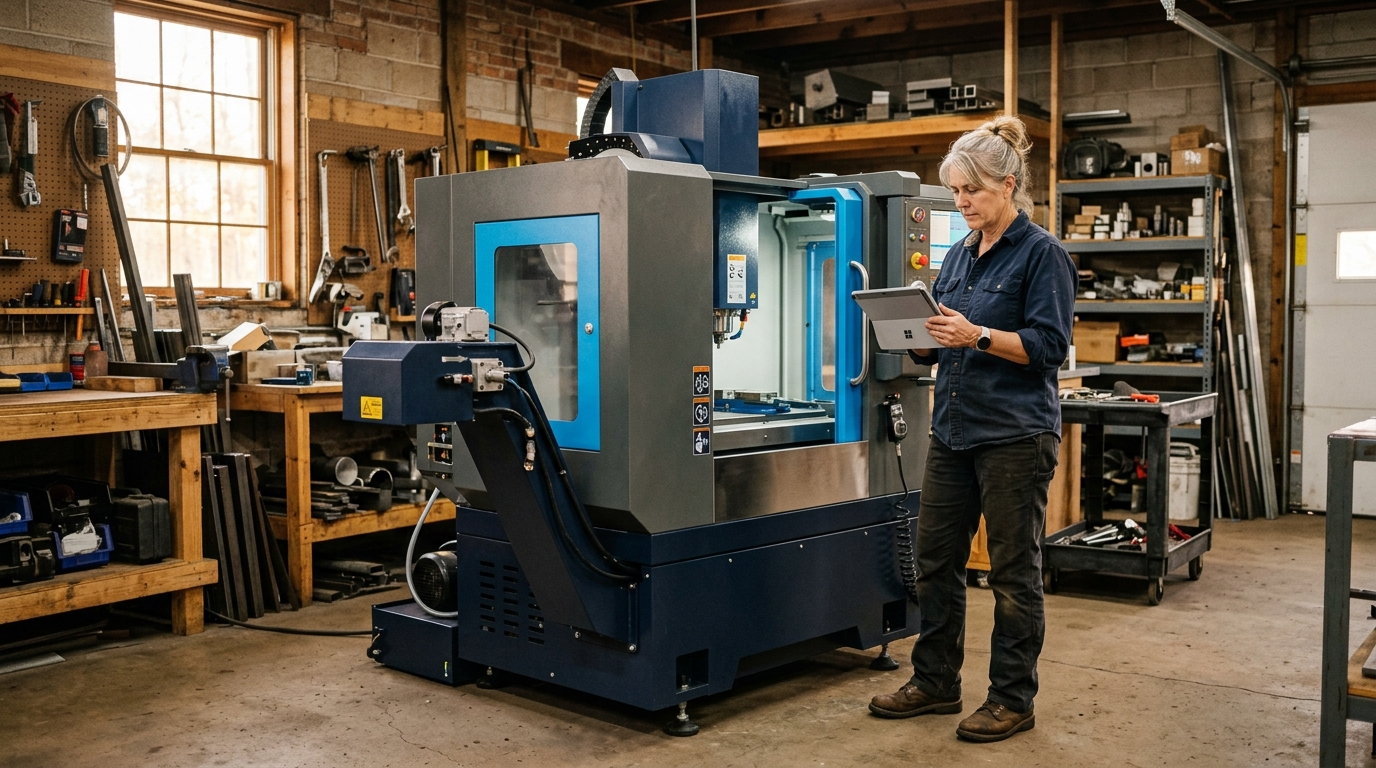
The new law makes 100% bonus depreciation permanent for qualified property acquired after January 19, 2025. Section 179 expensing also rose to $2.5 million, with a phase-out starting at $4 million, and both amounts are now indexed for inflation (IRS). If you need a truck, tools or computers next year, buying and placing them in service before December 31 may let you deduct the full cost this year.
2. Plan around the QBI deduction
Owners of sole proprietorships, partnerships, LLCs and S corporations can still deduct up to 20% of qualified business income. That deduction was set to expire after 2025; the new law made it permanent (Haynes Boone). Your income level and how you pay yourself affect how much you can claim, so it’s worth a quick projection before year-end.
3. Track tips and overtime separately.
From 2025 through 2028, employees can deduct up to $25,000 in qualified tips and up to $12,500 in qualified overtime pay, subject to income limits. If you have employees, your payroll records should show those amounts clearly so your team can claim them.
4. Revisit your state and local tax strategy.
The federal SALT deduction cap rose from $10,000 to $40,000 for 2025 through 2029, with income-based limits. For New York business owners, this can change whether itemizing or the state’s pass-through entity tax election makes more sense. Ask us to run both scenarios.
5. Expense research costs again.
Businesses that develop new products or processes in the U.S. can once again deduct domestic research and experimental costs in the year they’re paid, instead of spreading them over five years (IRS).
What to do now
Ready to plan ahead? Contact us to schedule a year-end review.
This article is for general information only and isn’t tax advice for your specific situation.
Continue Reading

Get a personal consultation.
Call us today at +1 (631) 402-4763
Still have questions? We’re happy to help. Call us or book your free consultation.